The Ultimate Guide to Nakeli in Pu’er: Hiking, Tea, and History
Nakeli Town Highlights
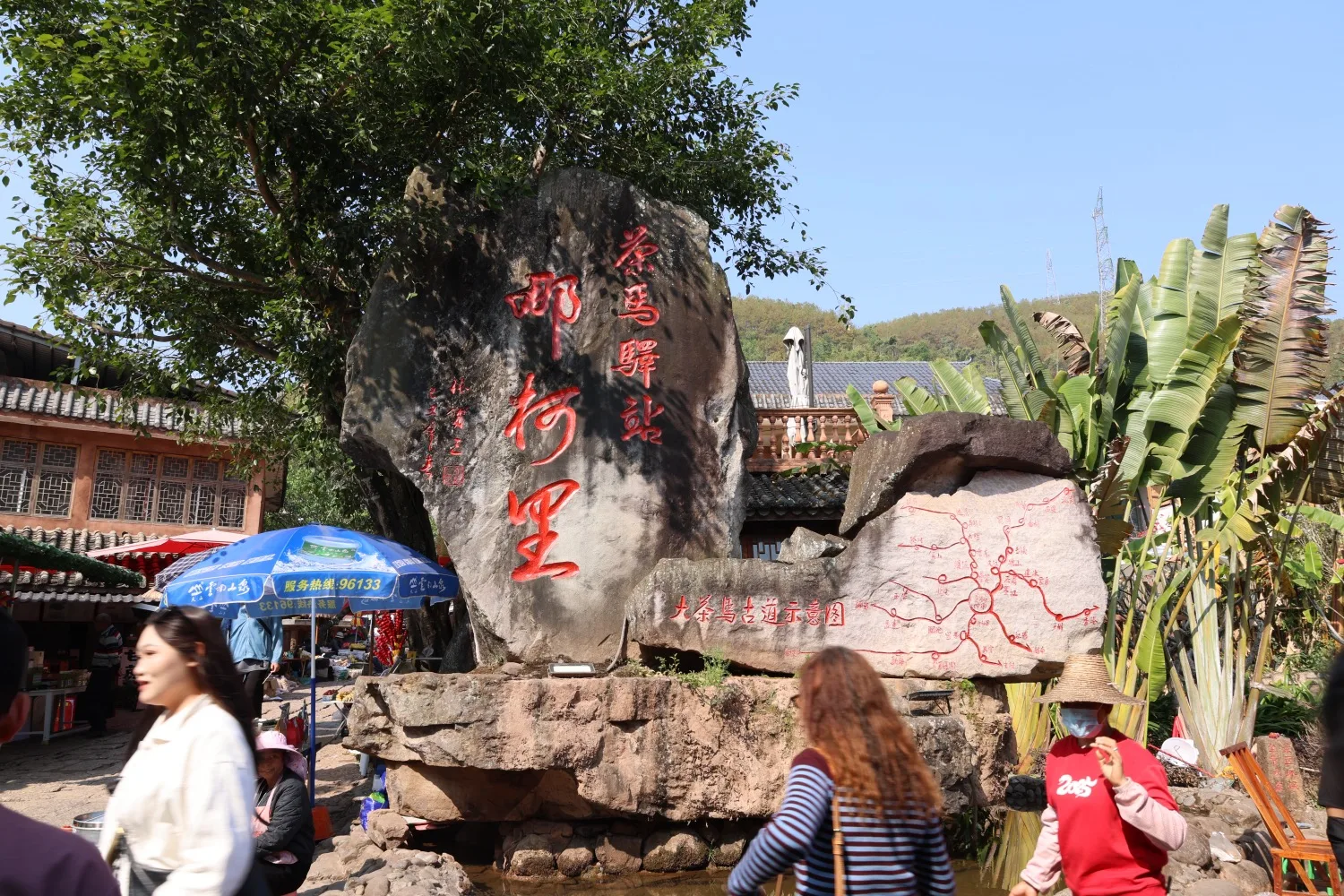
Step into Nakeli town(那柯里), an enchanting ancient village in Ning’er County, Pu’er, where history comes to life along the Ancient Tea Horse Road.
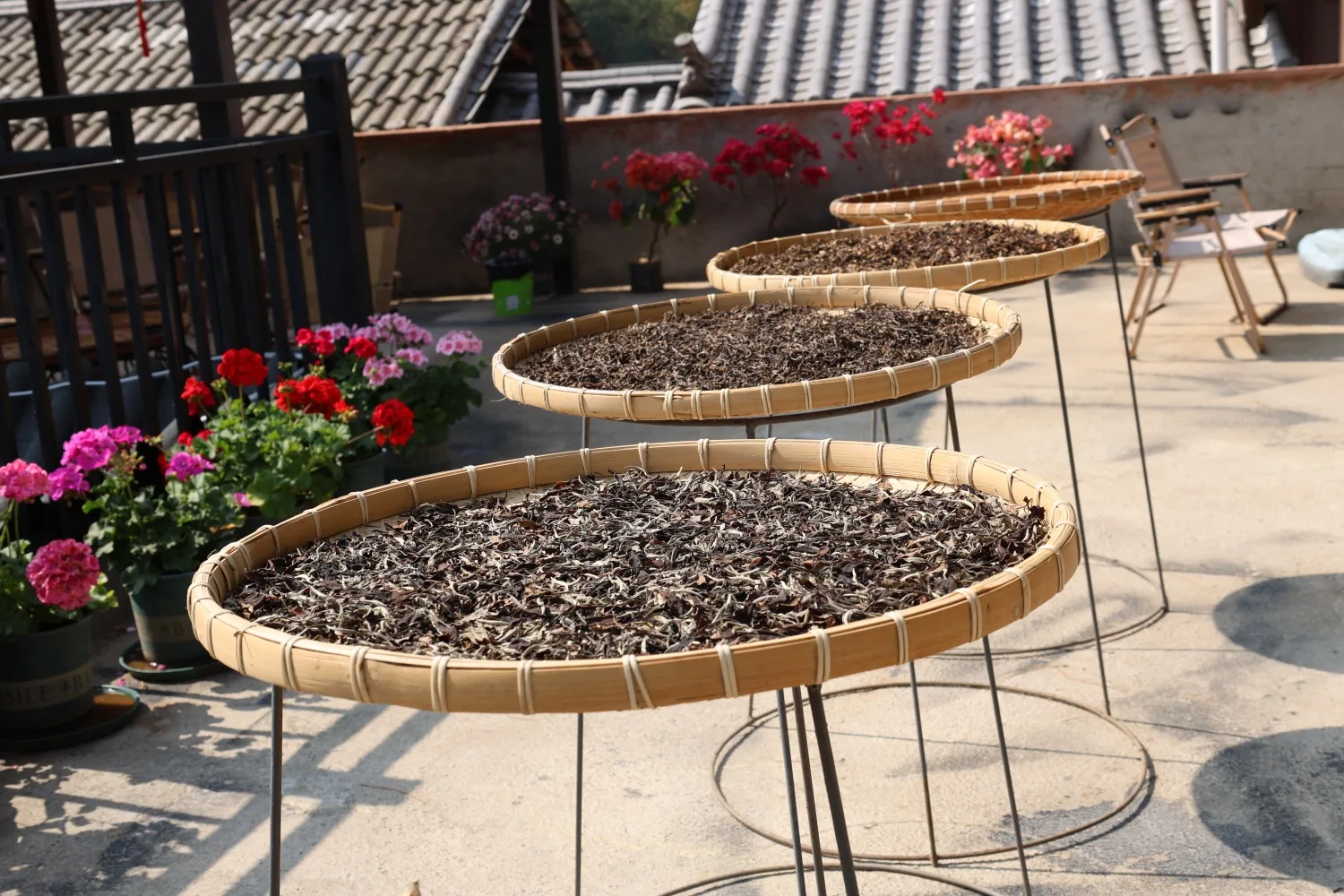
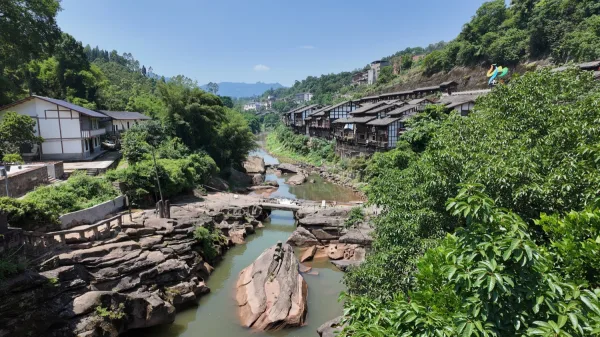
Once a vital stop for weary caravans, this “Good Field by the Bridge” is a peaceful sanctuary of flowing streams, fertile lands, and traditional wooden architecture.
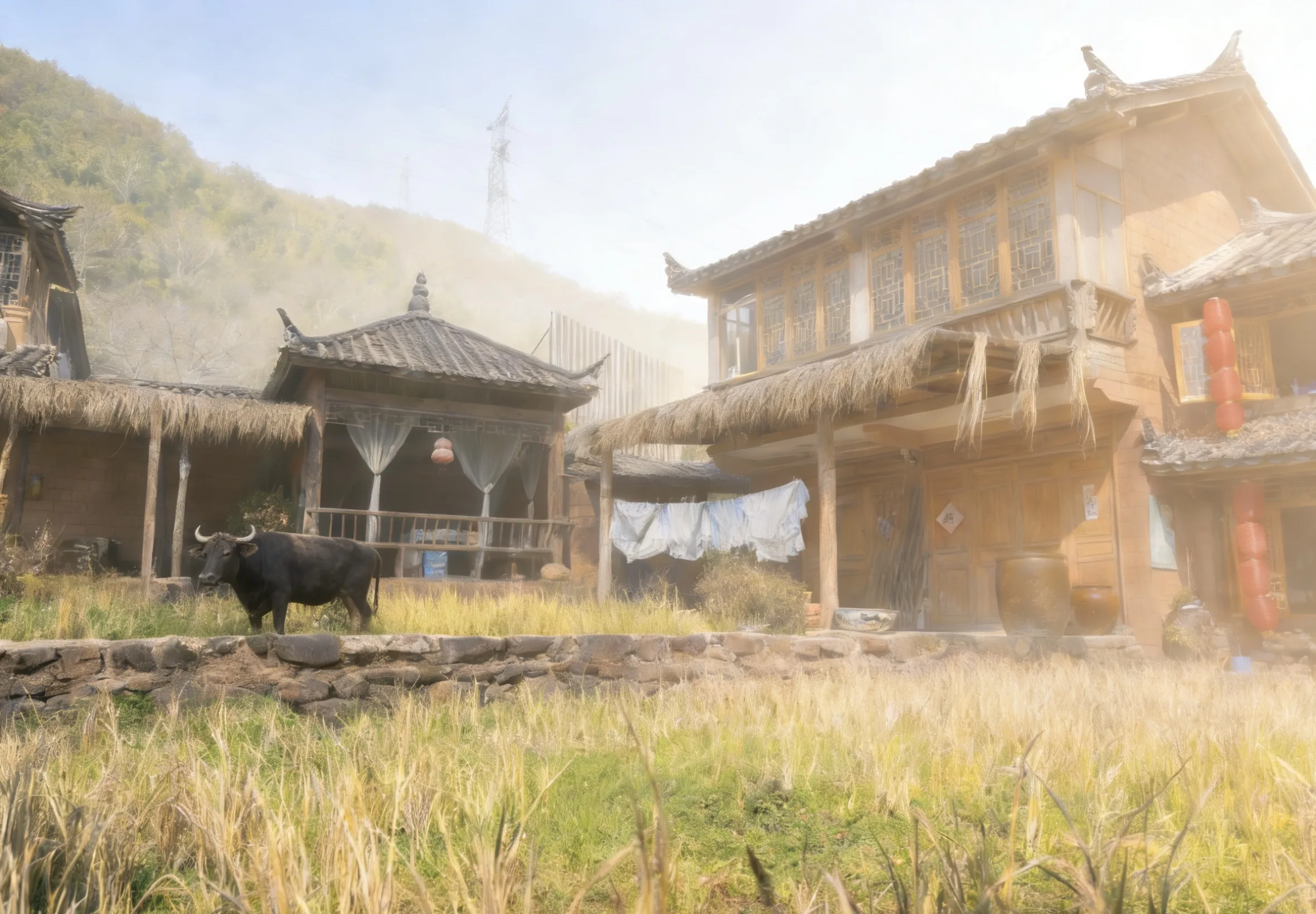
Whether you are hiking the 17km primitive stone trails, tasting the legacy of 357-gram Pu’er tea cakes, or crossing the legendary Wind-and-rain bridge, Nakeli offers a rare glimpse into a golden era of trade.
Getting to Nakeli Town
Driving
Bus
A dedicated tour bus that operates between Pu’Er Train Station and Nakeli.
Price: 10 Yuan
First bus to Nakeli: 10:00 AM
Last bus Nakeli: 4:00 PM
Last bus to return in Nakeli: 6:00 PM
Things to Do at Nakeli Town
Hiking
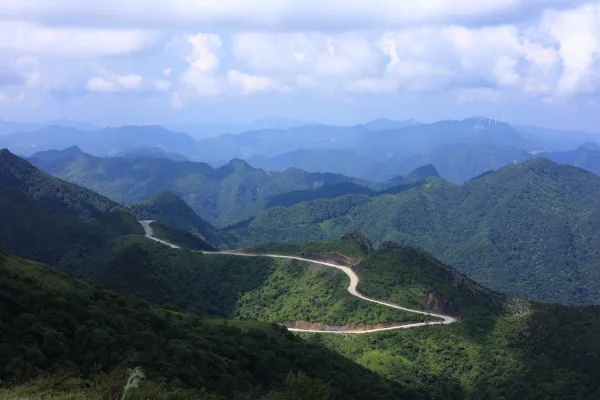
Adventure awaits on the Ancient tea horse road trailhead. A full trek from Nakeli to the Pu’er simao ancient tea city is approximately 17 km and takes about 7 hours.
The Route: Features historic slab-stone paths, ancient horse troughs, rubber plantations, and lush tea gardens.
Warning: This is a primitive trail with no supply points or restrooms. Hikers must carry sufficient water and snacks.
Pro Tip: If you just want a taste of the scenery, a 3 km walk on the trail will give you excellent views of the rubber trees and landscapes.
Horseback Riding
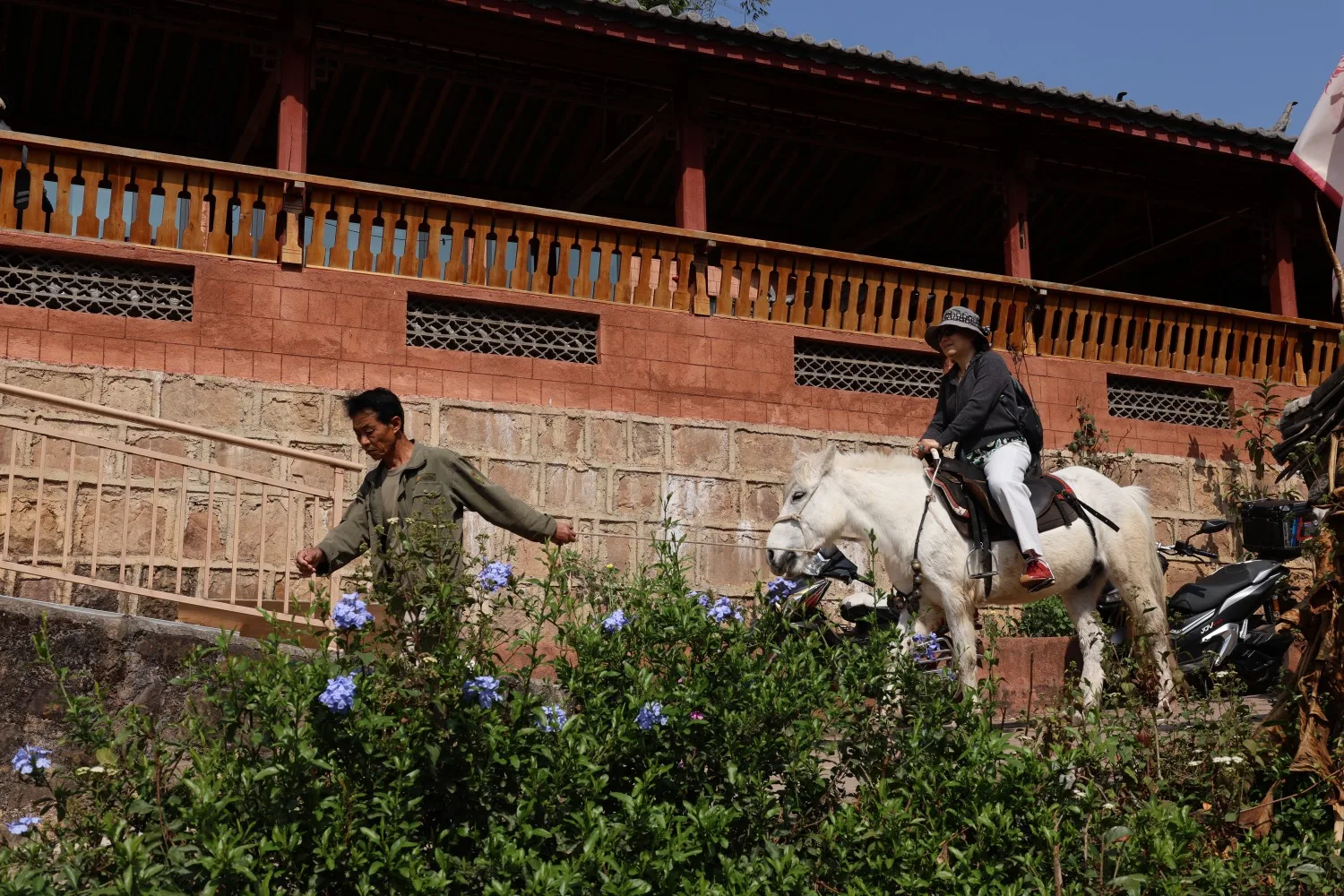
Relive history as a member of a caravan. For approximately 60 RMB, you can take a Guided horse ride through the village center to experience the atmosphere of this ancient post station.
Tea
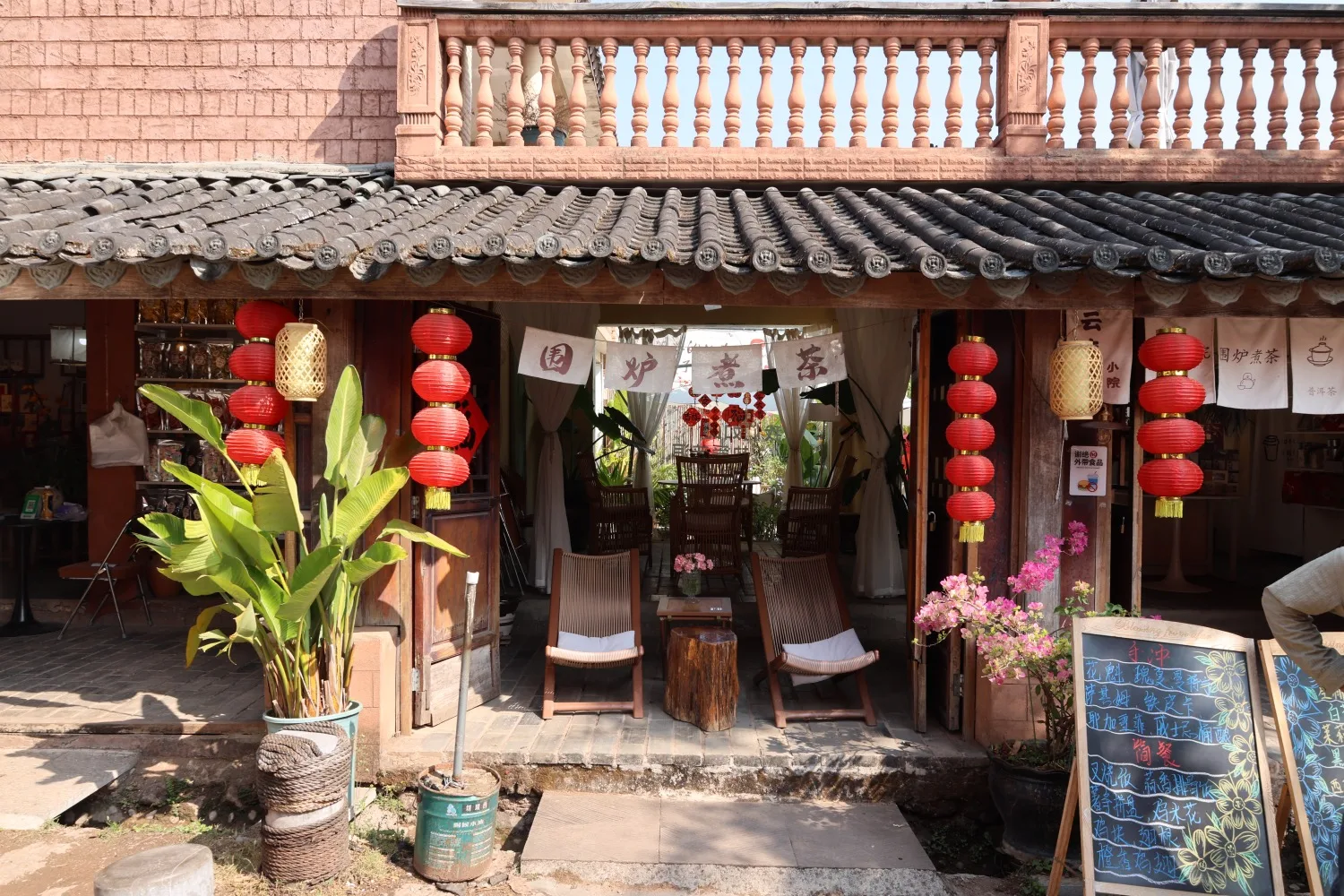
Immerse yourself in the local lifestyle.
You can try your hand at Traditional tea-making or simply find a local tea house to sit down for a brew. It’s a wonderful way to chat with shop owners and hear stories about their lives in the village.
Shopping
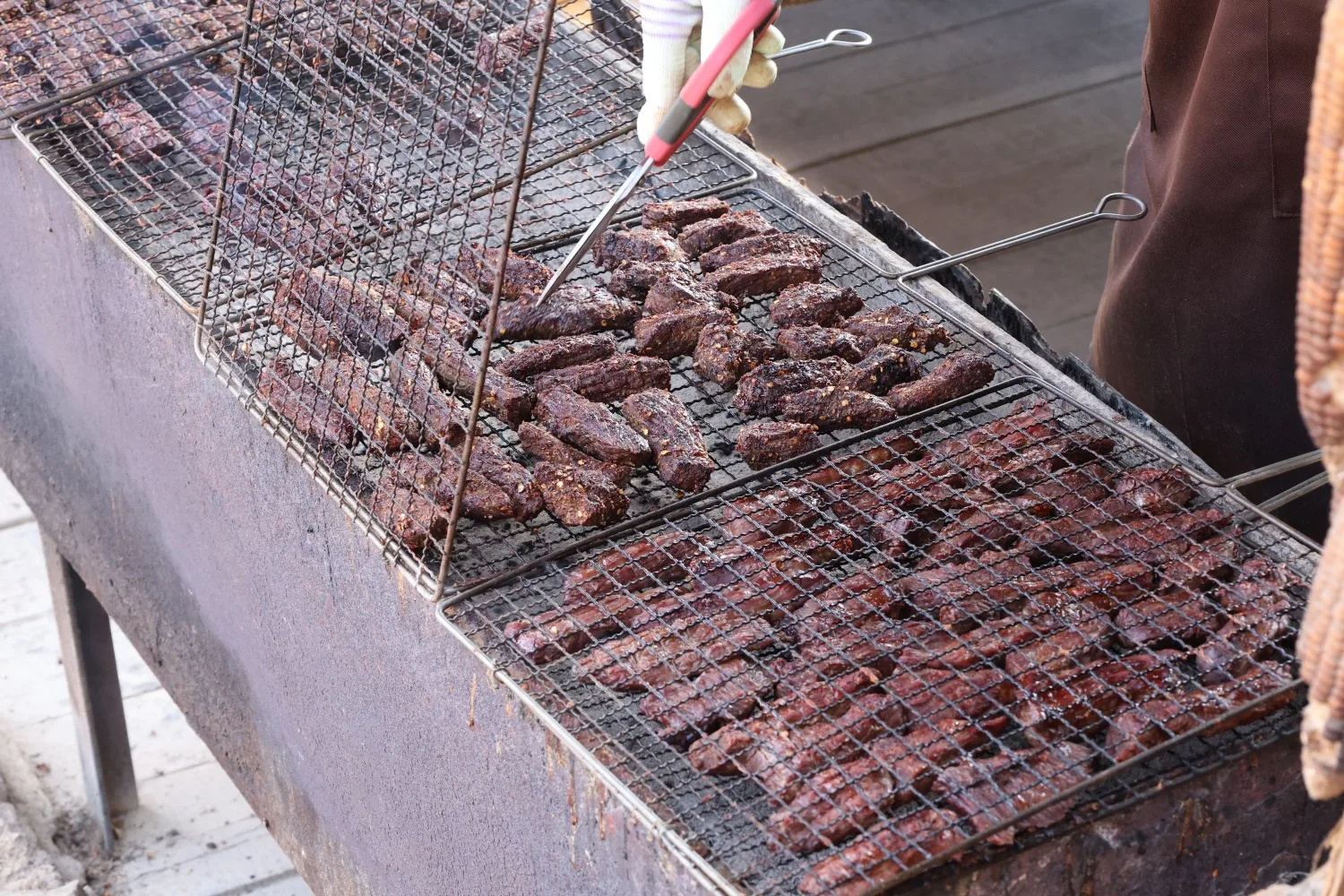
Support the local community by browsing the stalls.
Beyond world-famous Ancient Tree Tea, you’ll find fresh local produce like chayote, dried roses, and mountain yams.
Pets
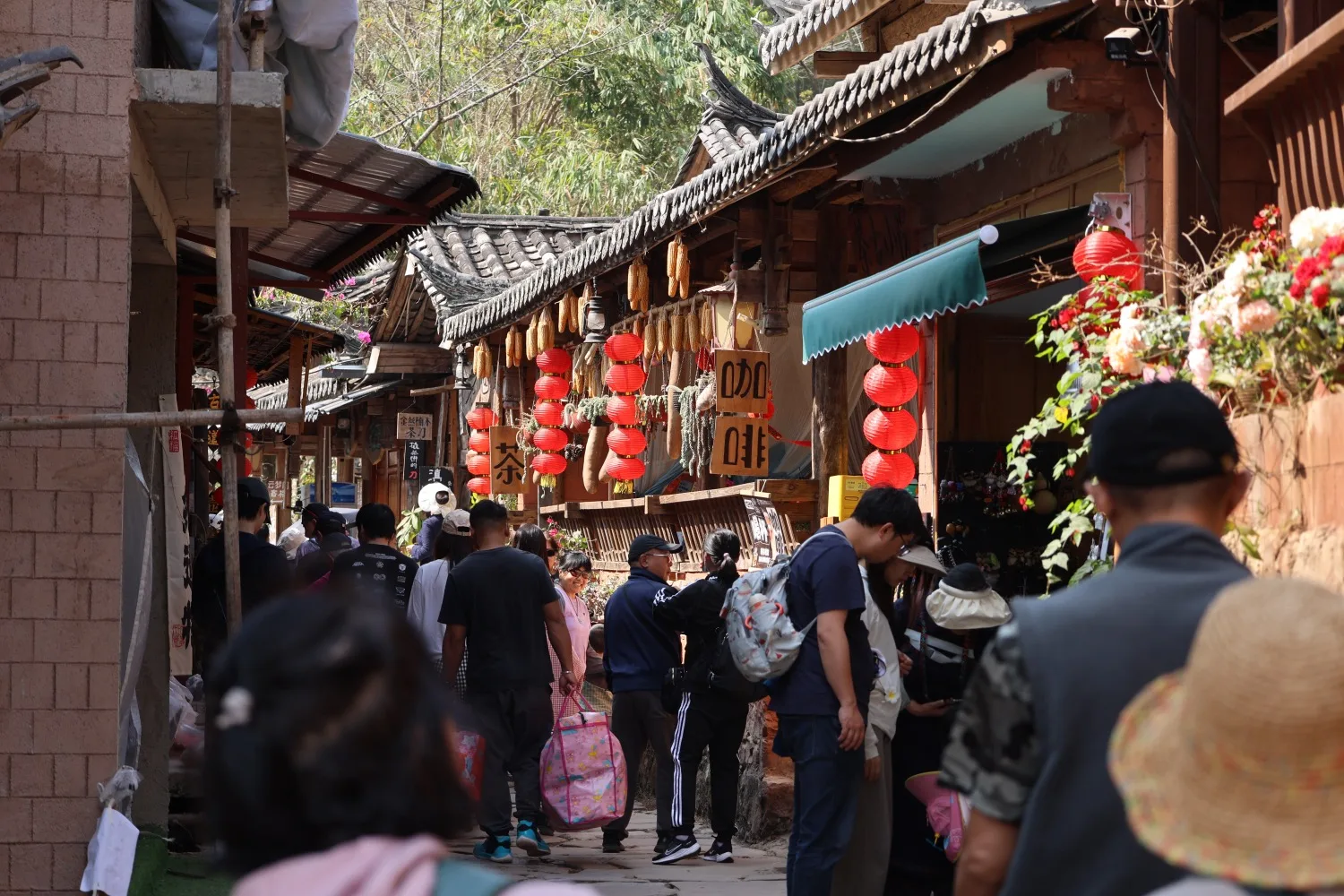
Nakeli is a pet-friendly destination! However, the village can get quite crowded during peak hours.
Please ensure your pet remains on a leash at all times and does not disturb other visitors.
Nakeli Town Facilities
Restroom
Public restrooms are available but limited. It is recommended to use facilities at larger restaurants or your guesthouse before heading out to explore.
Cell Service
Strong cellular service and 4G/5G coverage are available throughout the village and surrounding areas.
Drone
Drones are currently permitted. However, please fly responsibly and be mindful of the traditional architecture and the privacy of local residents.
Hotel
Charming family-run guesthouses (minsu) are available.
Expect to pay a premium for the convenience and atmosphere of staying directly within the cultural district.
Parking
Designated public and private parking lots are available.
The standard rate is approximately 10 RMB per day.
Accessibility
The town’s main thoroughfares are paved with traditional uneven cobblestones (stone blocks), which can make for a bumpy ride in a wheelchair. However, because the town layout is relatively flat with very few stairs, navigation is entirely possible with a bit of patience or a sturdy chair.
History of Nakeli

The name of Nakeli, a key post station on the Ancient Tea Horse Road, originates from the Dai language.
In this tongue, Na refers to “farmland,” Ke means “bridge,” and Li signifies “good.” Together, the name describes “good fields by the bridge,” implying an ideal settlement blessed with flowing streams and fertile soil.
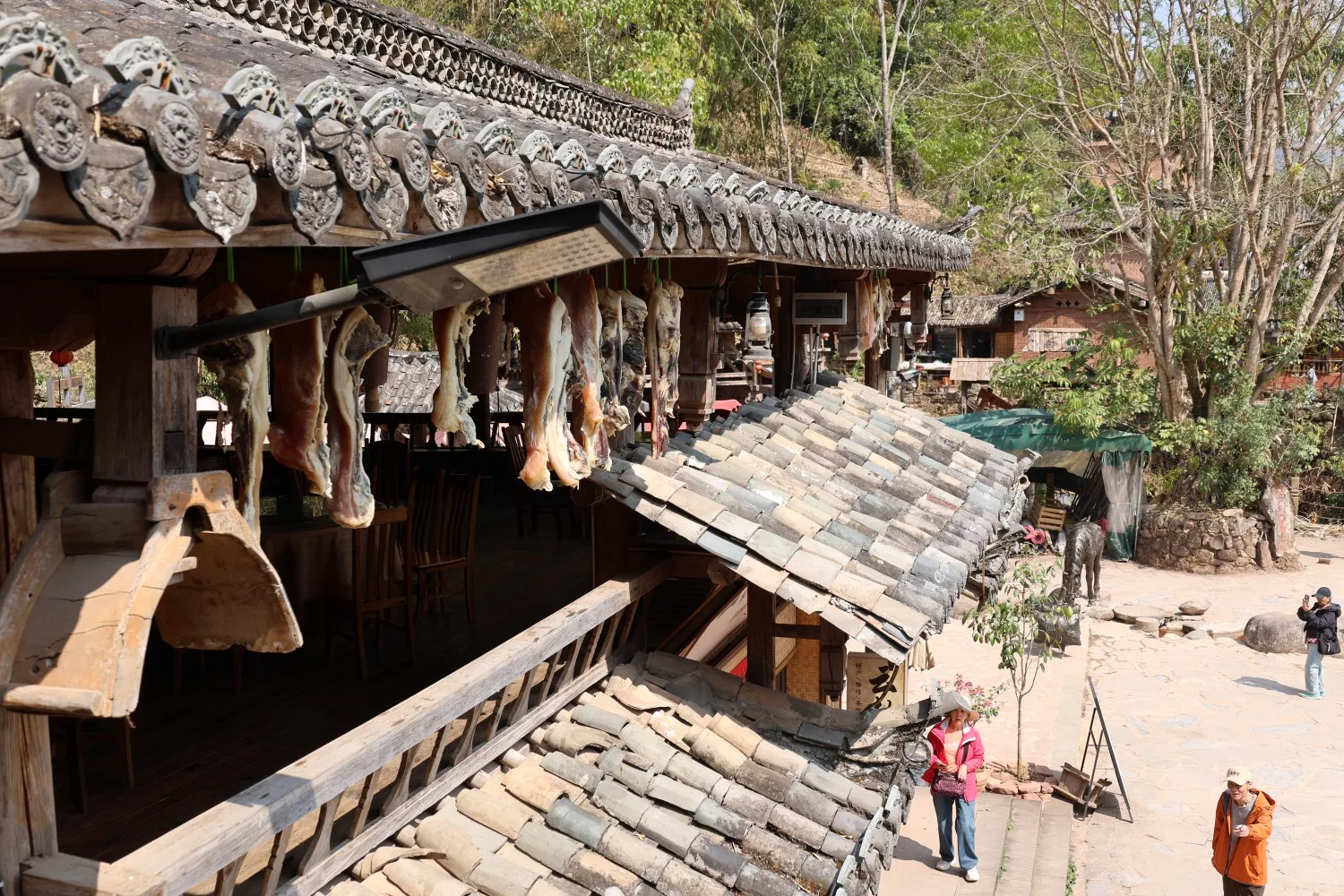
From “The Tears of Horses” to “The Bridge of Mercy”
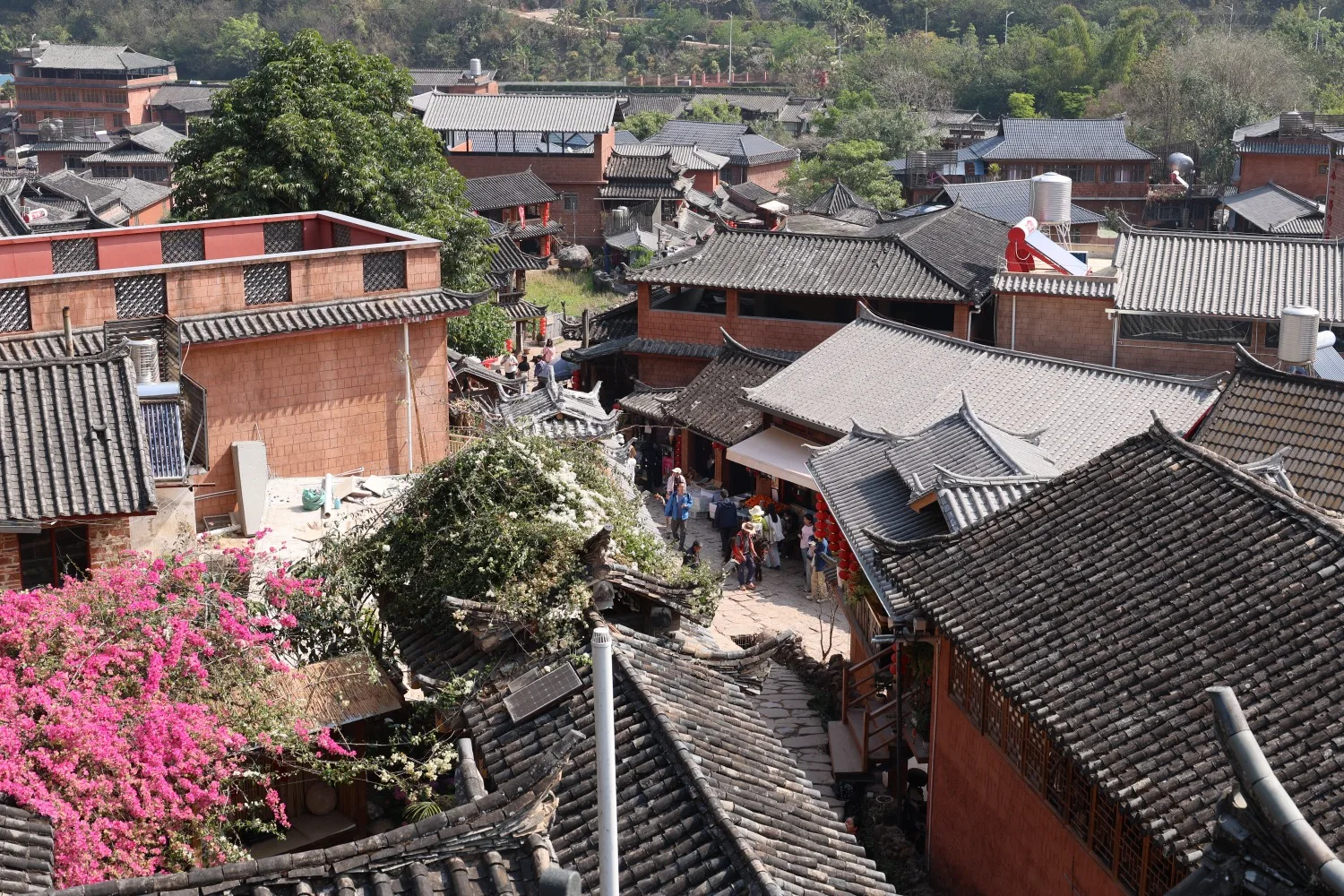
There is, however, an alternative folk origin for the name. It is said that Nakeli was originally called Makuli (literally, “The Place Where Horses Cry”).
In the old days, when caravans had to wade across the river here, the exhausted pack horses would shed tears of sorrow as they faced the cold currents.
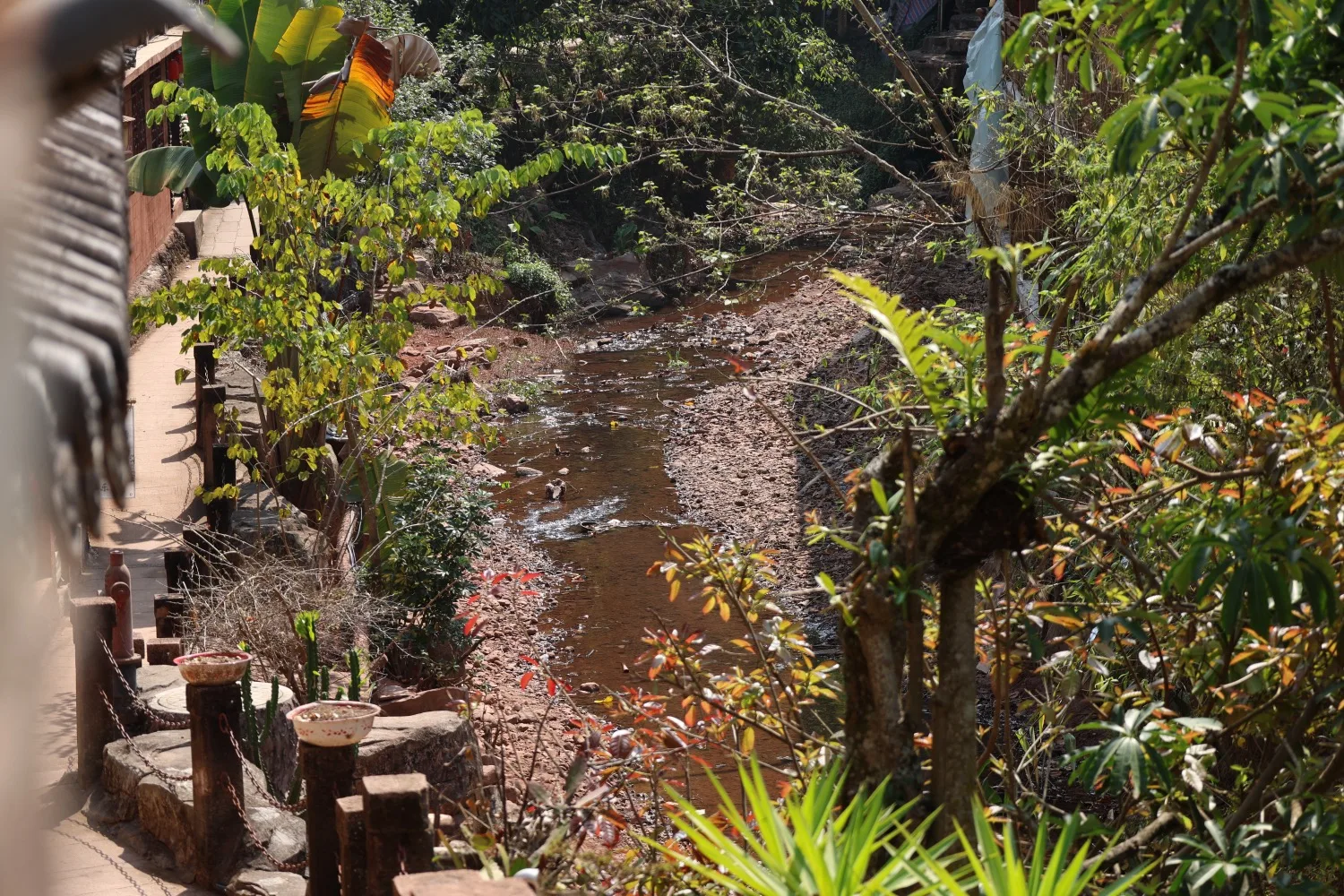
Deeply moved by the plight of their animals—whom they valued as their own lives—the caravan leaders (Maguoto) petitioned the local government multiple times for relief. Eventually, their wish was granted, and a covered wind-and-rain bridge was built. With the bridge in place, the sorrowful “Makuli” was renamed the prosperous “Nakeli.”
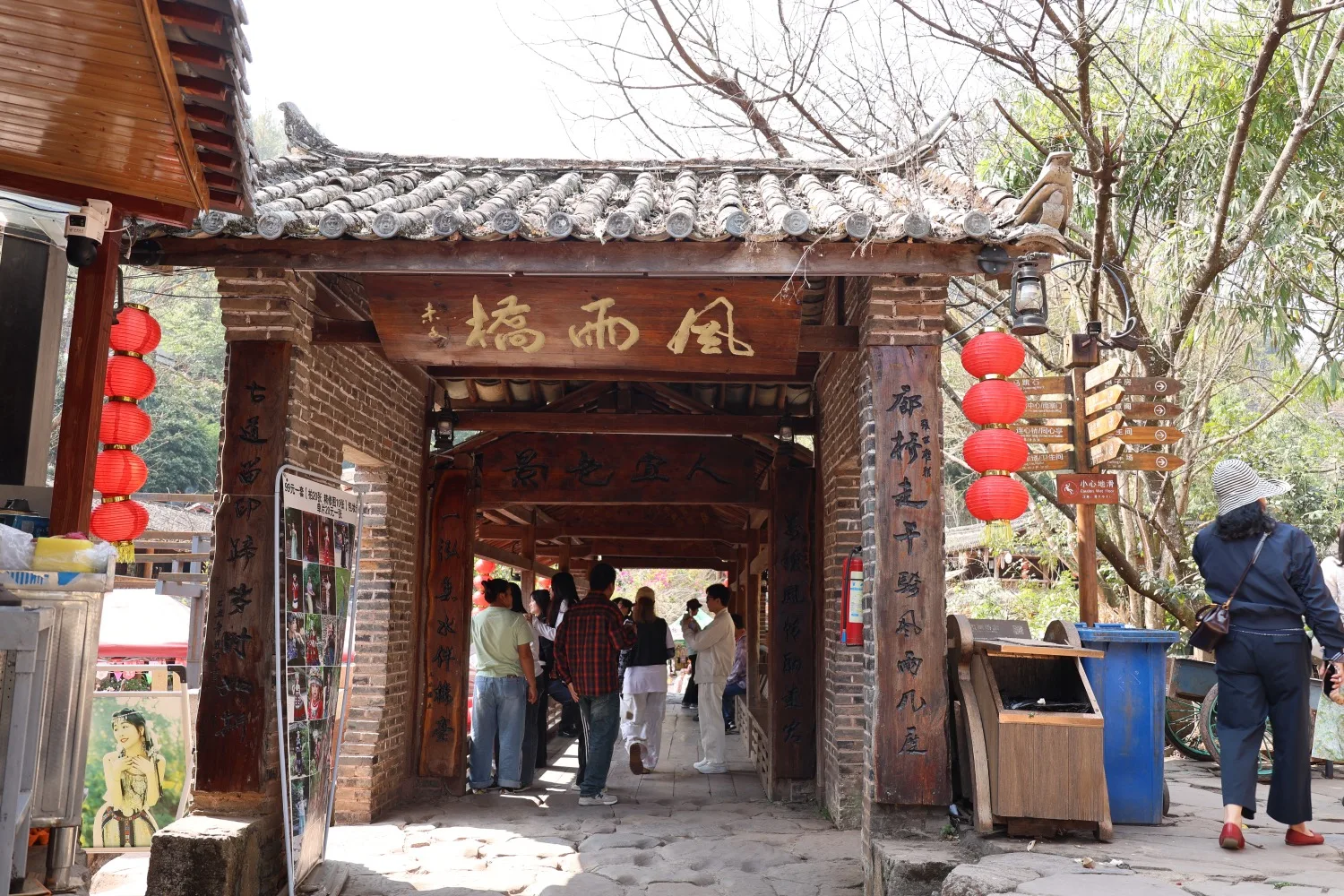
A Gateway for Pu’er Tea
As a vital hub on the ancient trade route, Nakeli has long shouldered the responsibility of spreading Pu’er tea to distant lands, cementing Pu’er’s legacy as a world-renowned sanctuary for tea.
The Art of the Pu’er Tea Cake
What is a tea cake?
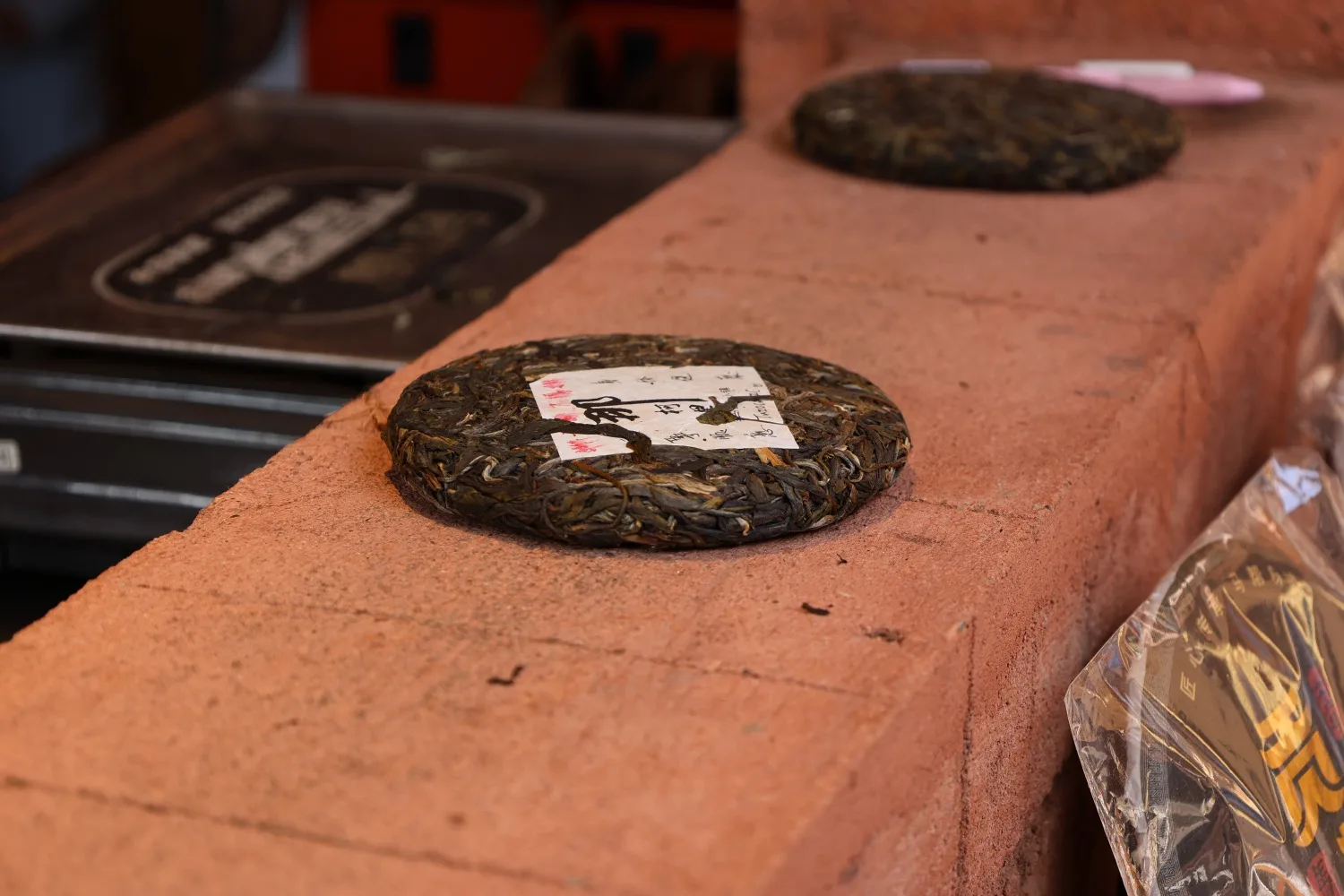
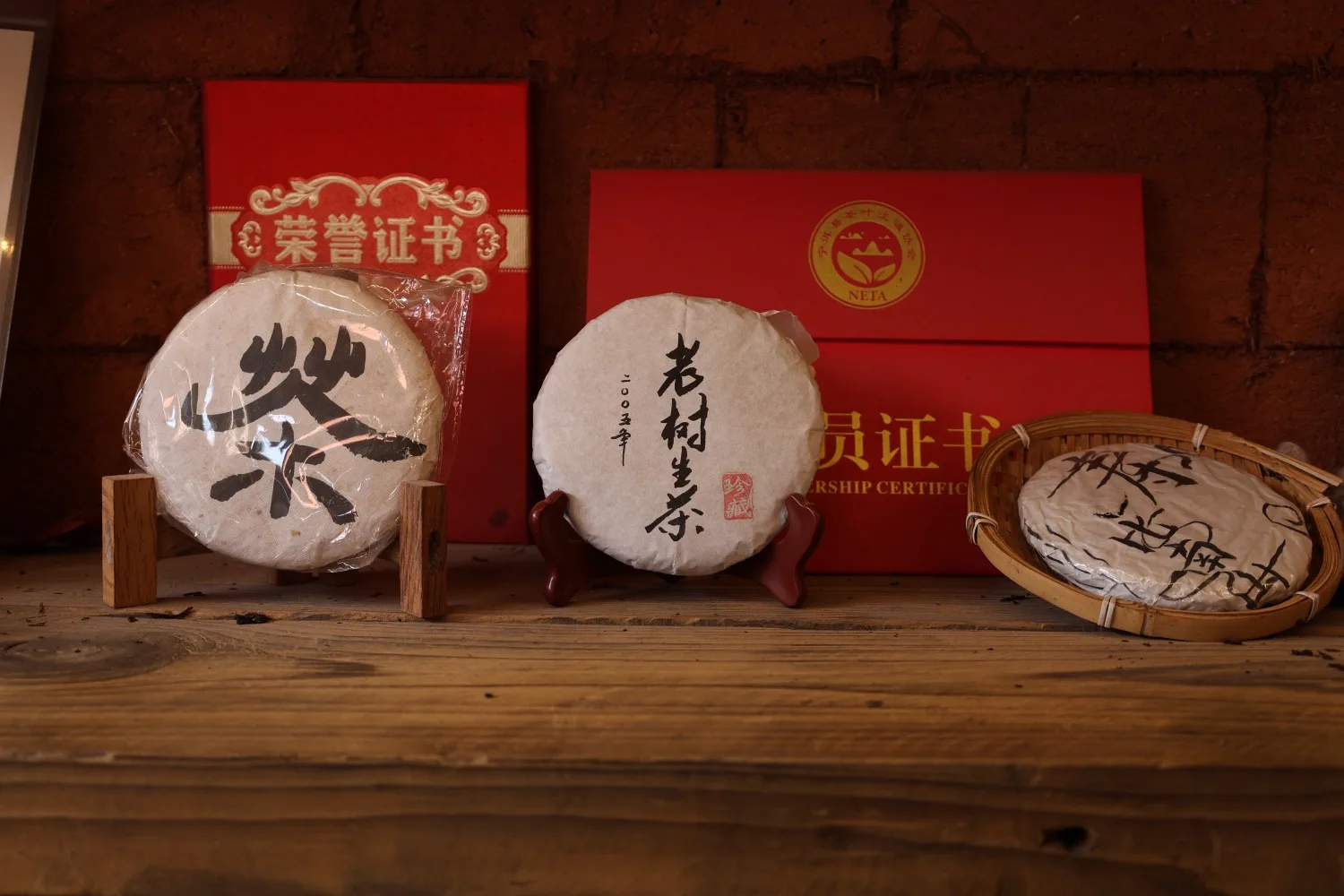
Traditionally, Pu’er tea is compressed into a sturdy, round disc rather than being left as loose leaves.
This practice dates back centuries to the Ancient Tea Horse Road; compressing the tea made it easier to transport by horseback and protected the leaves from the elements during long journeys.
Today, this shape is also essential for the tea’s unique aging process.
How was the tea cake made?
Making a tea cake isn’t as complicated. The process begins by weighing out exactly 357 grams of loose tea leaves from the pile.
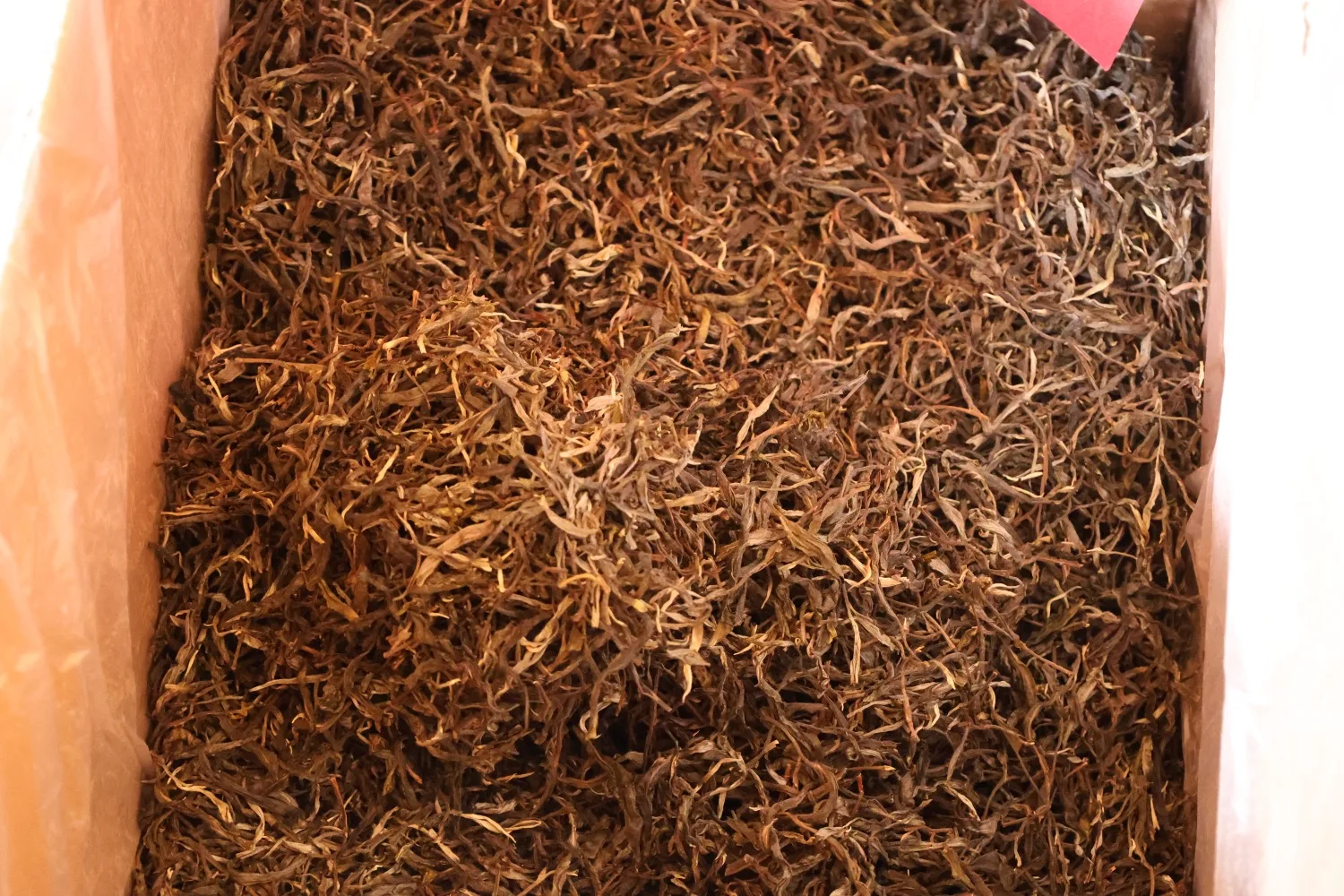
In the world of Pu’er, this weight is a strict tradition—not a gram more, and not a gram less.
Then the dry leaves are placed into a circular metal steamer. High-temperature steam is passed through the leaves to soften them, making them pliable and ready to be shaped without breaking.
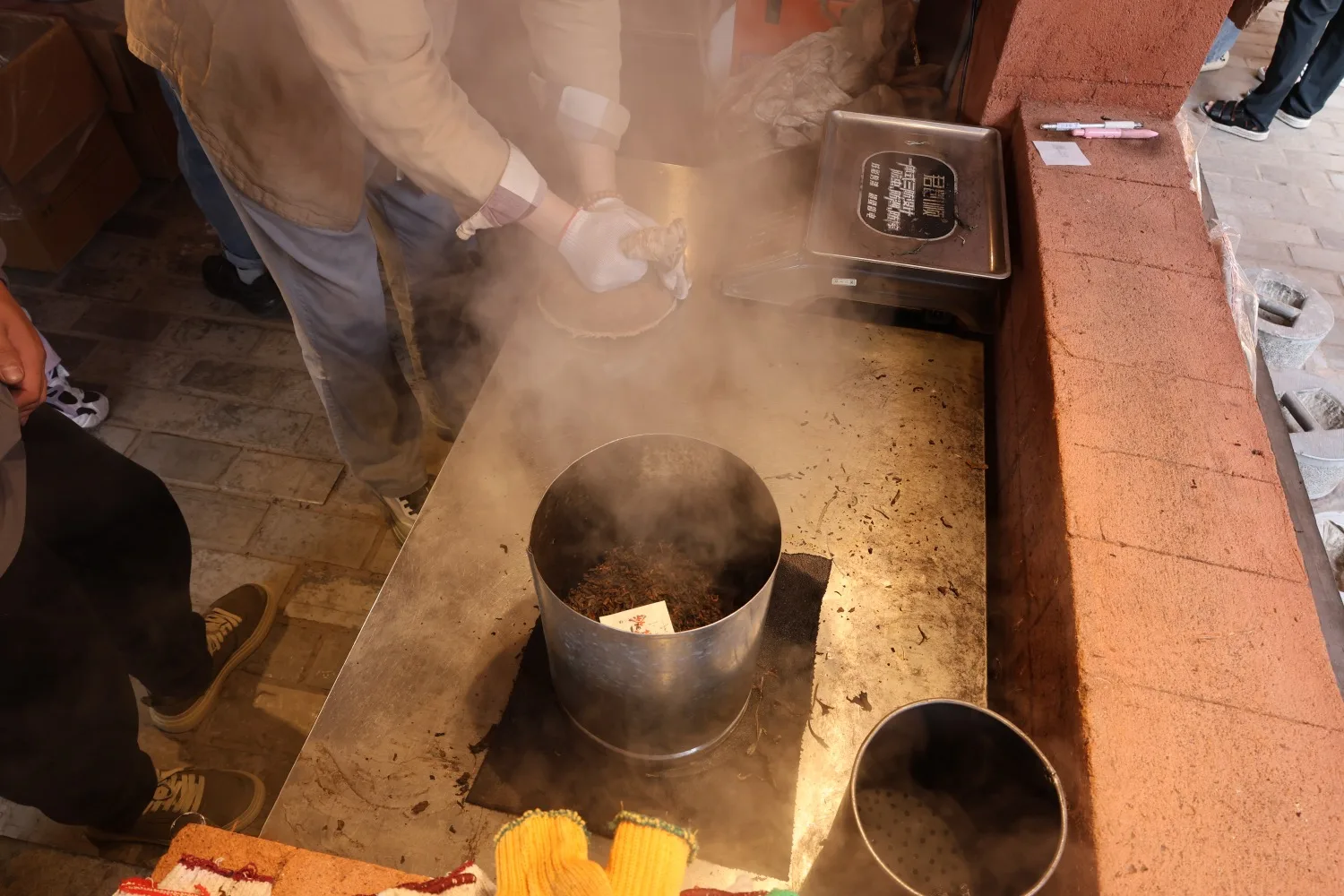
Once the tea is softened, the leaves are transferred into a white cloth bag. This is where the “form” takes shape. The tea maker carefully gathers the cloth and begins to twist and compress the bag, tucking the loose ends into the center to create an initial, round, tight bundle.
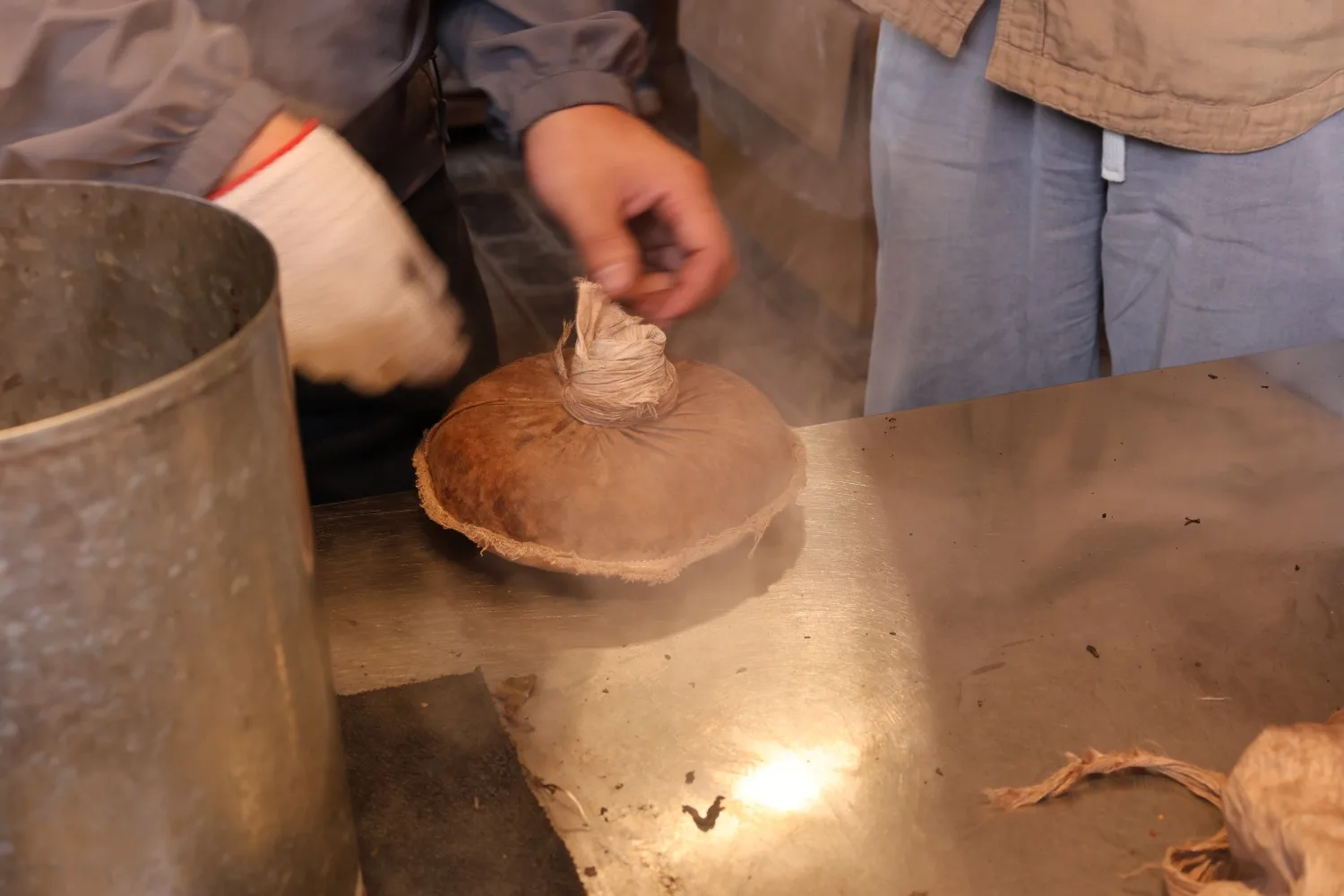
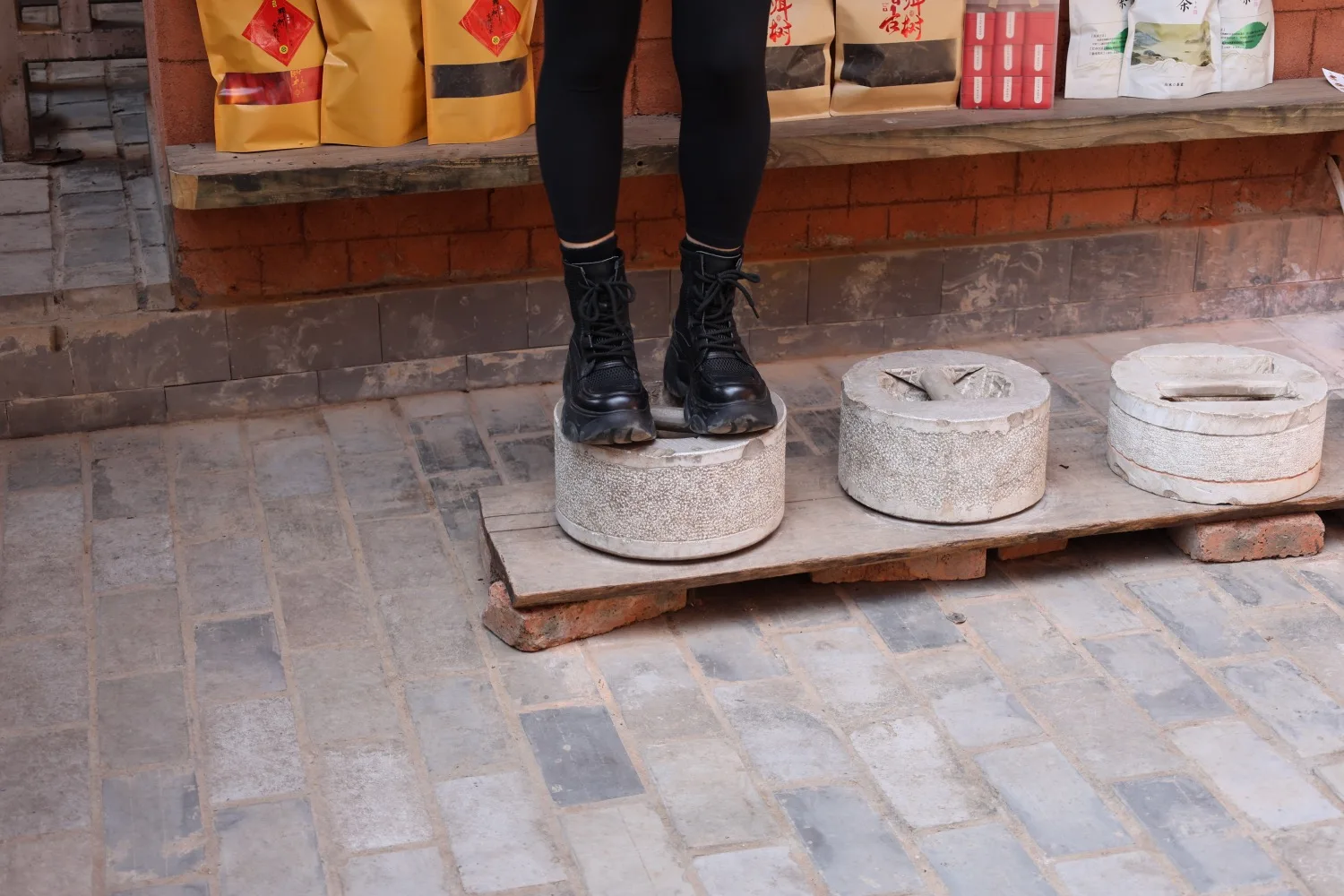
In the days before industrial tools, these cloth bundles were placed under massive, heavy stones. This “Stone Pressing” method required significant time and physical strength to flatten the tea into a firm disc.
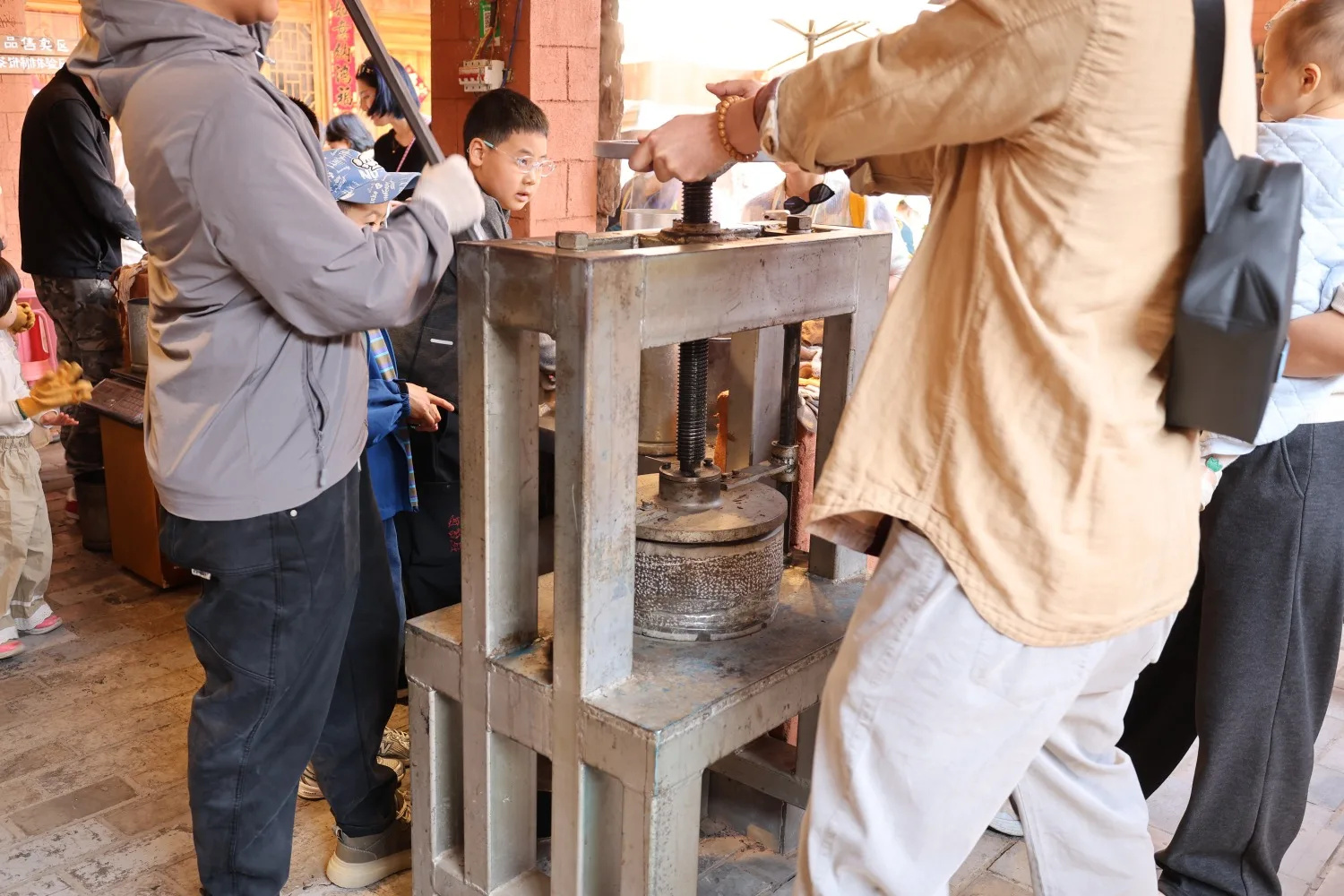
Today, we use mechanical presses. This allows the tea cake to be pressed more tightly and evenly, ensuring it stays intact for years of storage.
Finally, it is time to create the “Seal.” You will take a sheet of handmade paper, record the name of the tea and the production date, and perhaps add some artistic decorations.
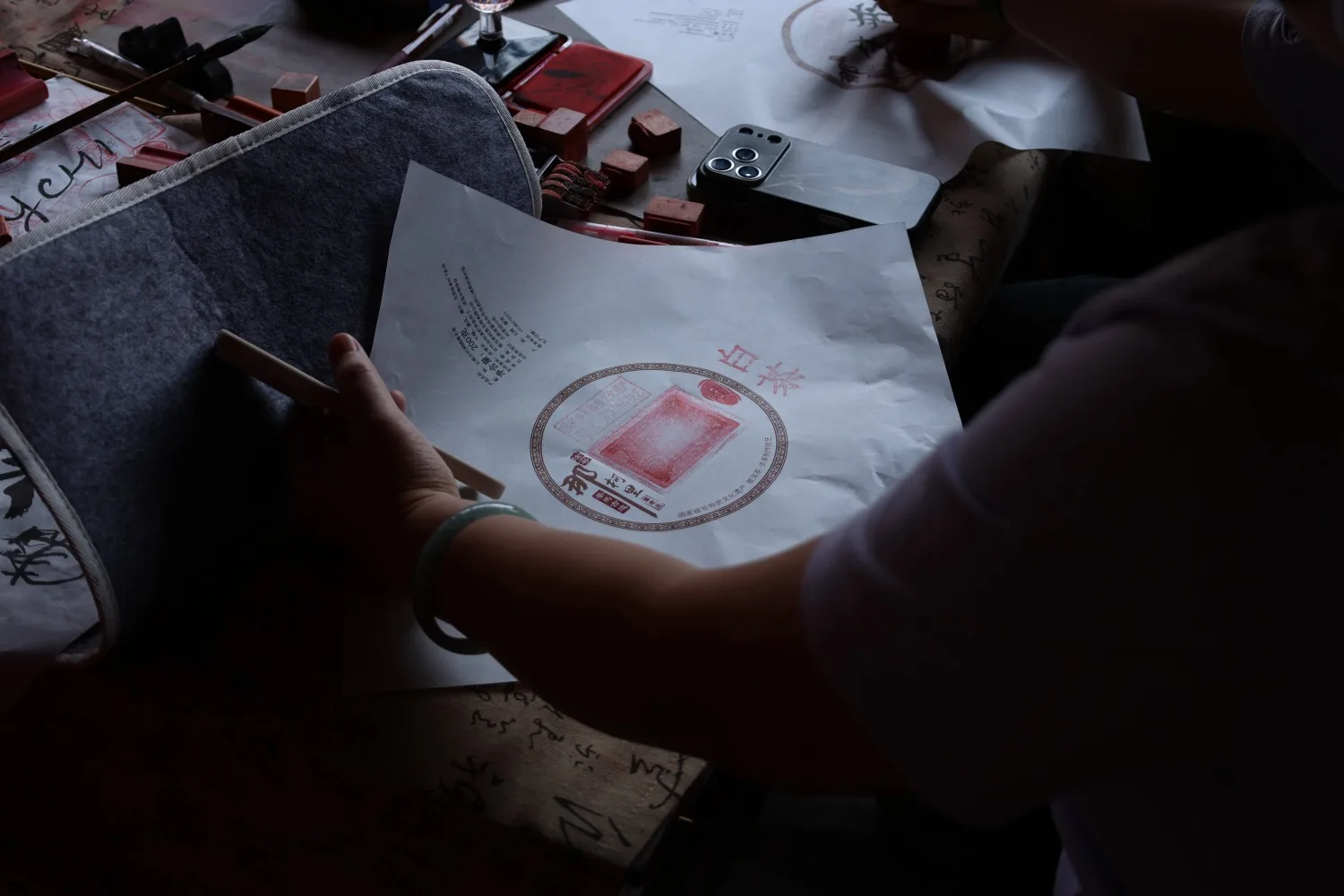
The cake is then expertly folded into the paper, completing the masterpiece.

Discover Chongqing with WelcomeCQ!
From mountains to grasslands, Chongqing has something to offer for everyone.
Start planning, find an inspiration, or search for a place.
Or follow us on social media.